Midwest Book Review said
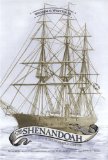
The Voyage Of The Shenandoah: A Memorable Cruise presents a primary source of history long thought lost - the log of William C. Whittle, Jr., executive officer of the CSS Shenandoah, the last raider ship of the Confederate Navy to learn of General Lee's surrender and the end of the Confederacy (the Shenandoah continued the war effort for two and half months after Appomattox). Whittle's log resurfaced in the attic of a descendant in the 1980s; now, with meticulous editing and annotations of history professors D. Alan Harris and Anne B. Harris, Whittle's testimony vividly describes the Shenandoah's time at sea from its departure from London in 1864 (as the "Sea King") to its surrender in Liverpool in November 1865. Most individual entries are relatively brief, yet they are descriptive, and at times poignant in their reflection. A superb primary source and reference particularly for Civil War history and library reference shelves.
John Matlock said
This is quite a book. The books on the land battles of the American Civil War have to outnumber the books on the naval side by a hundred to one. This book is basically the diary of William C. Whittle, the executive officer of the CSS Shenandoah. It was lost until discovered in the 1980's by his grandaughter. It is a day by day report of the rather remarkable voyage of the Shenandoah.
This ship was purchased in England, converted to a raider, and set sail for the pacific ocean with 42 men on board (a ship of this size would normally need a crew of 150). From October 8, 1864 until two months after the war was over (no communications) the Shenandoah captured thirty-eight Yankee vessels valued at over one million dollars. After the war she sailed back to England.
Lt. Whittle's diary varies from short position reports with the direction of the winds, to reports of the ships captured, and other activities. Surprising to me was the constant referencing to the weather -- important if you're in a sailing ship, but not something I realized. Almost every entry begins with the two words "At sea." The Shenandoah didn't spend much time in port, the longest was a visit to Melbourne, Australia for about a month.
Lt. Whittle's writing is clear and to the point. You are left with a better understanding of what it was like to operate a warship during these, the last days of sail.

Comments